






FAQs About Confined Space Safety & Rescue Equipment
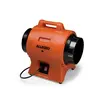
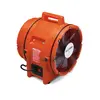
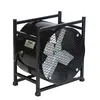
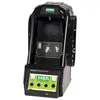
United Rentals provides a wide range of confined space rescue equipment rentals to ensure your team can safely enter, work in and exit excavations and confined spaces. Our inventory features gas detectors and air monitoring equipment with robust alert features and accurate PID sensors to detect a variety of gases. Our ventilation equipment offers high-capacity airflows in various fan sizes and features flanges to either push fresh air in or pull hazardous air out. For entry and retrieval, we carry davit arm and tripod systems with several winch cable lengths to suit your project’s specific needs. This equipment is critical for maintaining safety when working in manholes, tanks, sewers or other enclosed areas. Our inventory of confined space entry equipment rentals includes reliable brands like Allegro, MSA and Xtirpa.
Learn more about our confined space equipment rentals in our FAQ section below.
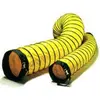
The equipment required for confined space entry depends on a thorough hazard assessment of the worksite. Generally, a complete system includes a multi-gas detector to continuously monitor the atmosphere for hazardous gases, a ventilation blower with ducting to supply fresh air and remove contaminants, and a retrieval system, such as a rescue tripod or davit arm with a winch, for safe entry, exit and potential rescue operations. Always consult OSHA regulations to ensure compliance.
Regular inspection and calibration are critical for ensuring confined space equipment functions correctly. Gas detectors should be bump tested before each day’s use and calibrated periodically according to the manufacturer's recommendations. Retrieval systems, including harnesses, winches and ropes, must be visually inspected for any signs of wear, tear or damage before every use. Adhering to the manufacturer's guidelines and your company's safety protocols is essential for operator safety.
According to OSHA, a permit-required confined space is a confined space that has health or safety hazards. These include:
- The potential to contain a hazardous atmosphere
- A material that could engulf someone who enters the space
- An internal configuration that could trap or asphyxiate a worker
- Any other recognized serious safety or health hazard
Entry into these spaces is strictly controlled and requires a formal written permit, a designated attendant and specific safety procedures.